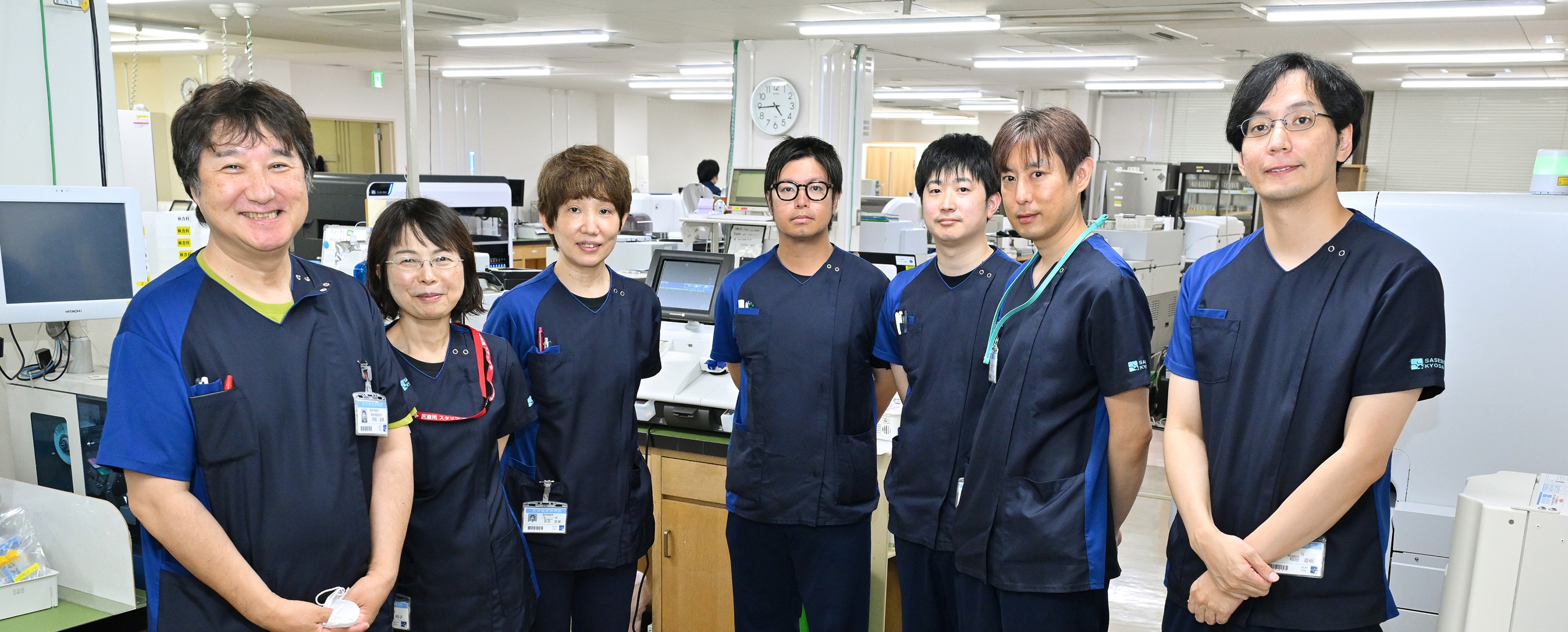

Supporting new ways of working in medical areas with the Clinical Analyzer LABOSPECT 006 α
“Just press the button
and let it handle the rest”
— further automation is the key
to solving challenges
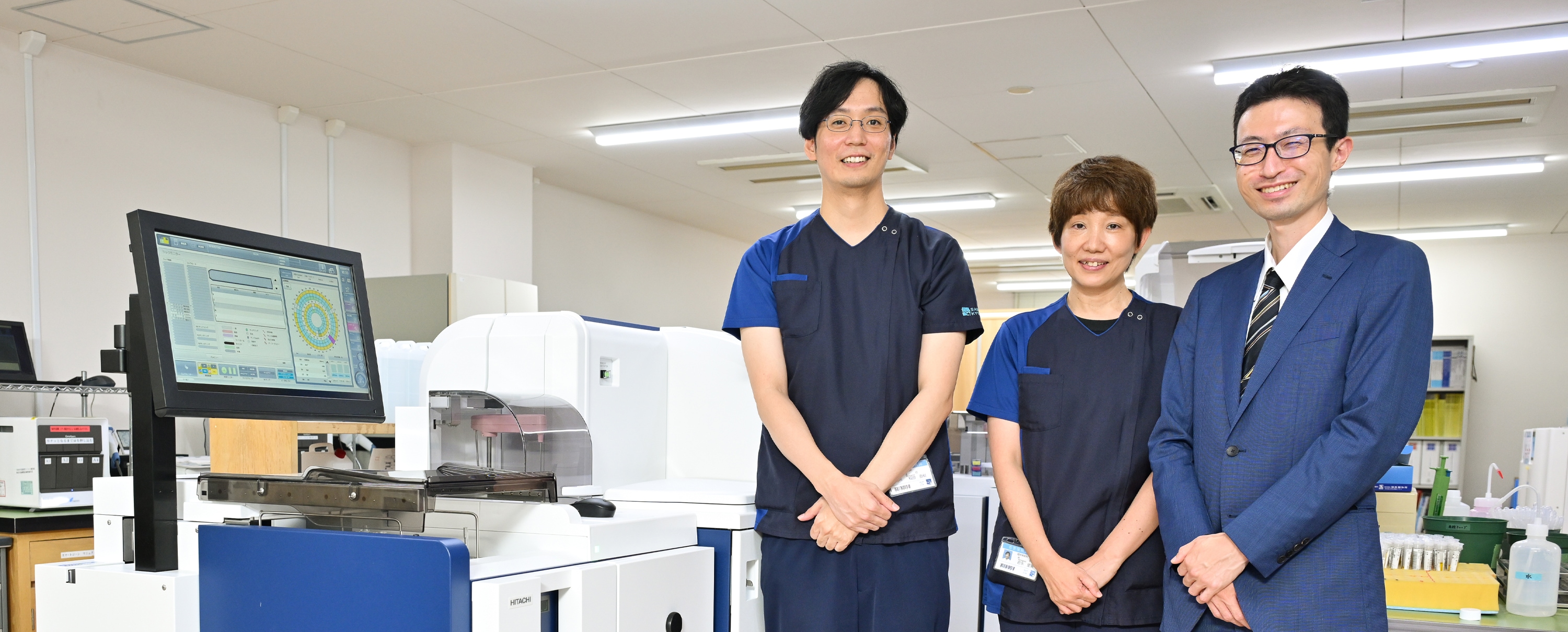
Center: Satomi Iwanaga Manager Clinical Laboratory Dept. Sasebo Kyosai Hospital
Right: Hikaru Takizawa Senior Engineer Medical Systems Design 4th Dept. Hitachi High-Tech Corporation
Standardizing maintenance was a challenge as operations increased
Takizawa In recent years the work scope of medical laboratory scientists has expanded, so could you please walk us through your daily work routine?
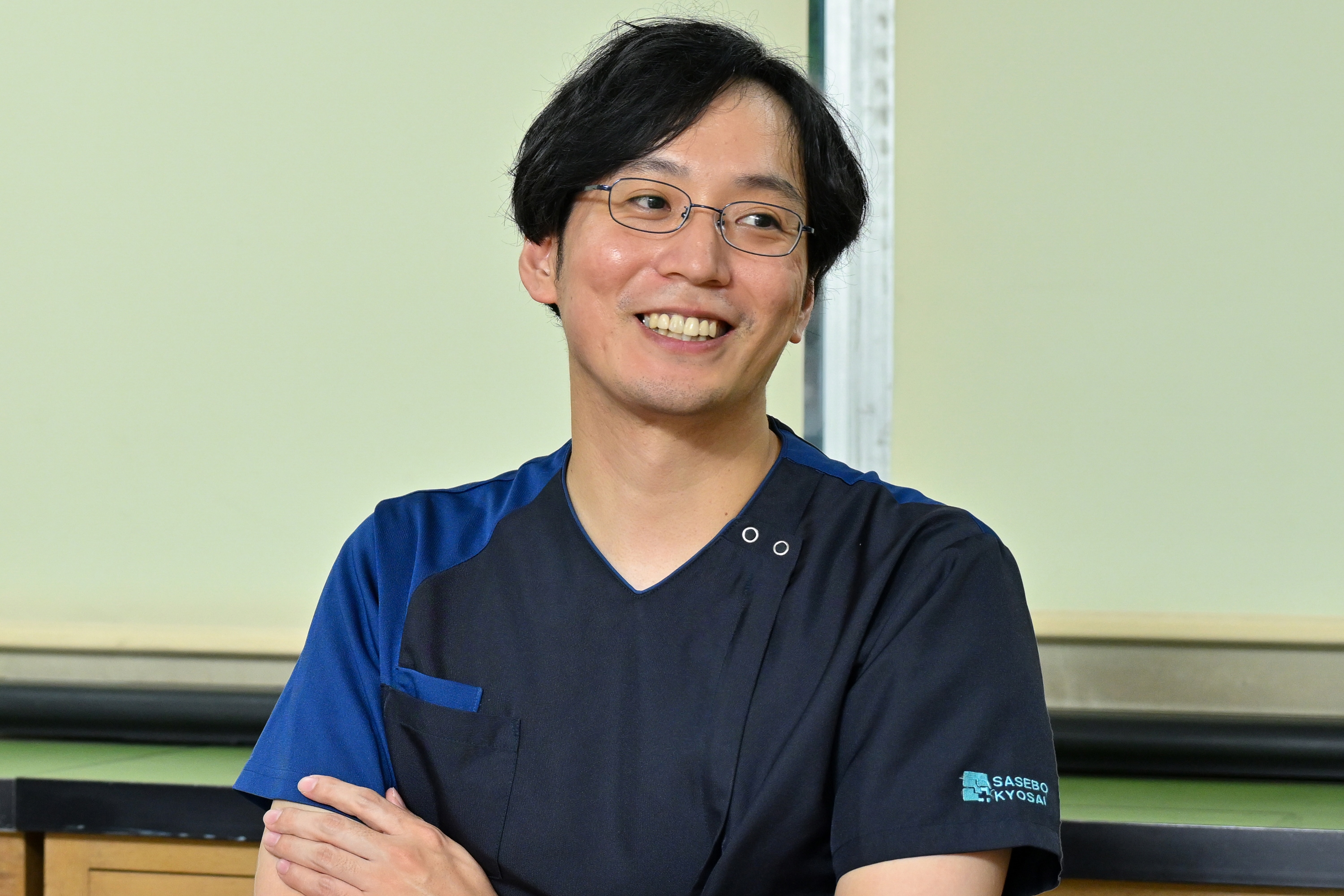
Inada Our laboratory is divided into two areas: specimen testing, which analyzes samples collected from patients, and physiological function tests, such as electrocardiograms and ultrasounds. Our team is responsible for the former. The daily workflow starts with quality control of our analytical systems, then analyzing each specimen from inpatients as they arrive, and providing results before outpatient services begin. Afterwards, as outpatients come in throughout the morning, we analyze more specimens and finally conduct another round of quality control to follow up with the next day— this is the main workflow.
However, in recent years, on top of the decreasing number of medical laboratory scientists, the Work Style Reform for Physicians, which began in April 2024, has advanced task shifting and sharing*1, resulting in expanded responsibilities such as attending various committees and preparing related materials.
Takizawa Among your daily tasks, are there any that you feel are particularly time-consuming or take extra effort?
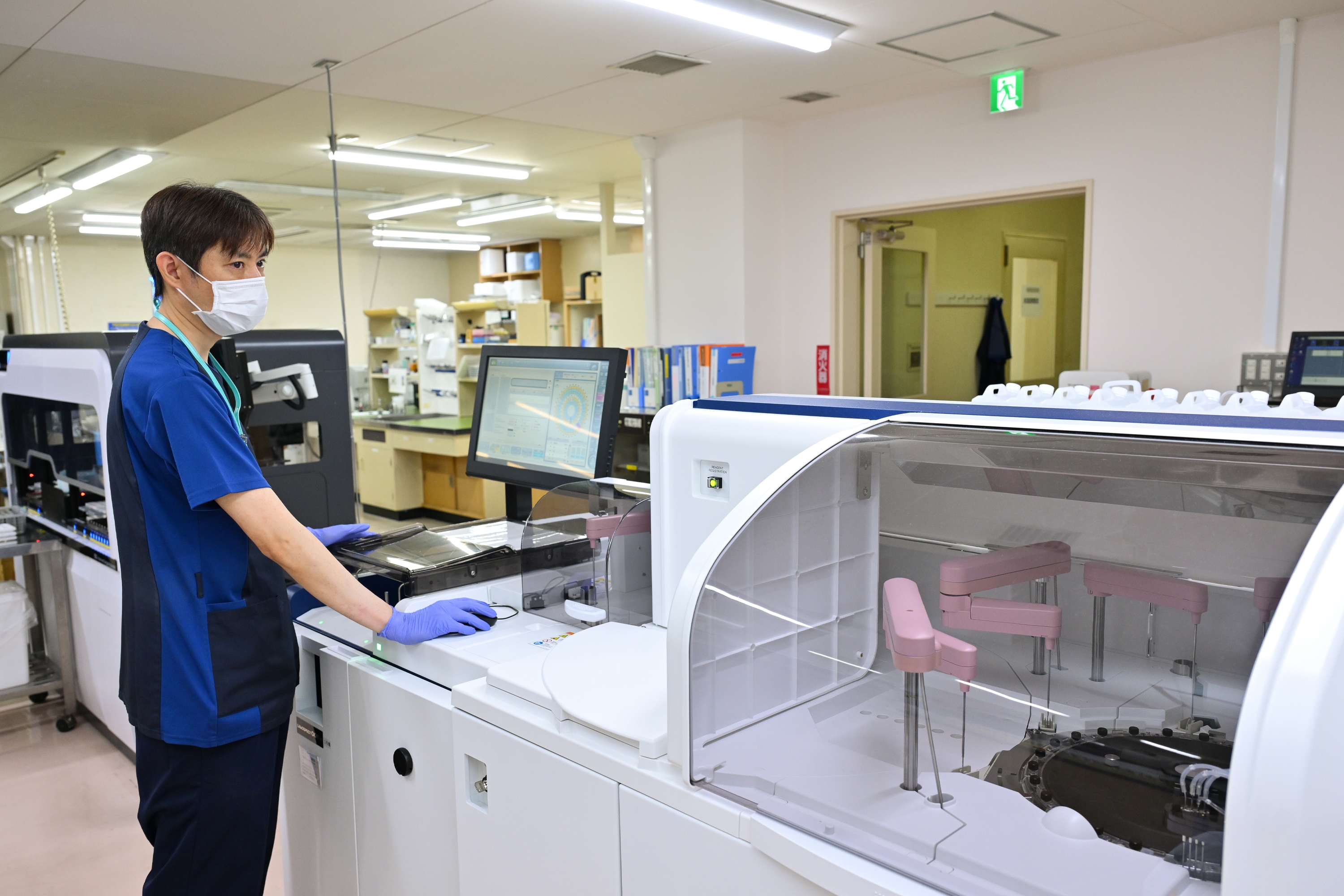
Inada Quality control work and maintenance of our analytical systems. There are many steps—such as cleaning nozzles and setting detergents—and many require manual work, which took up a significant portion of our workload.
The biggest problem was that the maintenance tasks were not standardized. Some people would use one approach, while others did things differently, so maintenance procedures were not unified. This caused discrepancies in work and accuracy when we rotated tasks.
*1Transferring and sharing tasks previously performed by doctors with other medical professionals, thereby reducing the doctors’ workload.
Streamlining analysis operations also eases the psychological burden on medical laboratory scientists
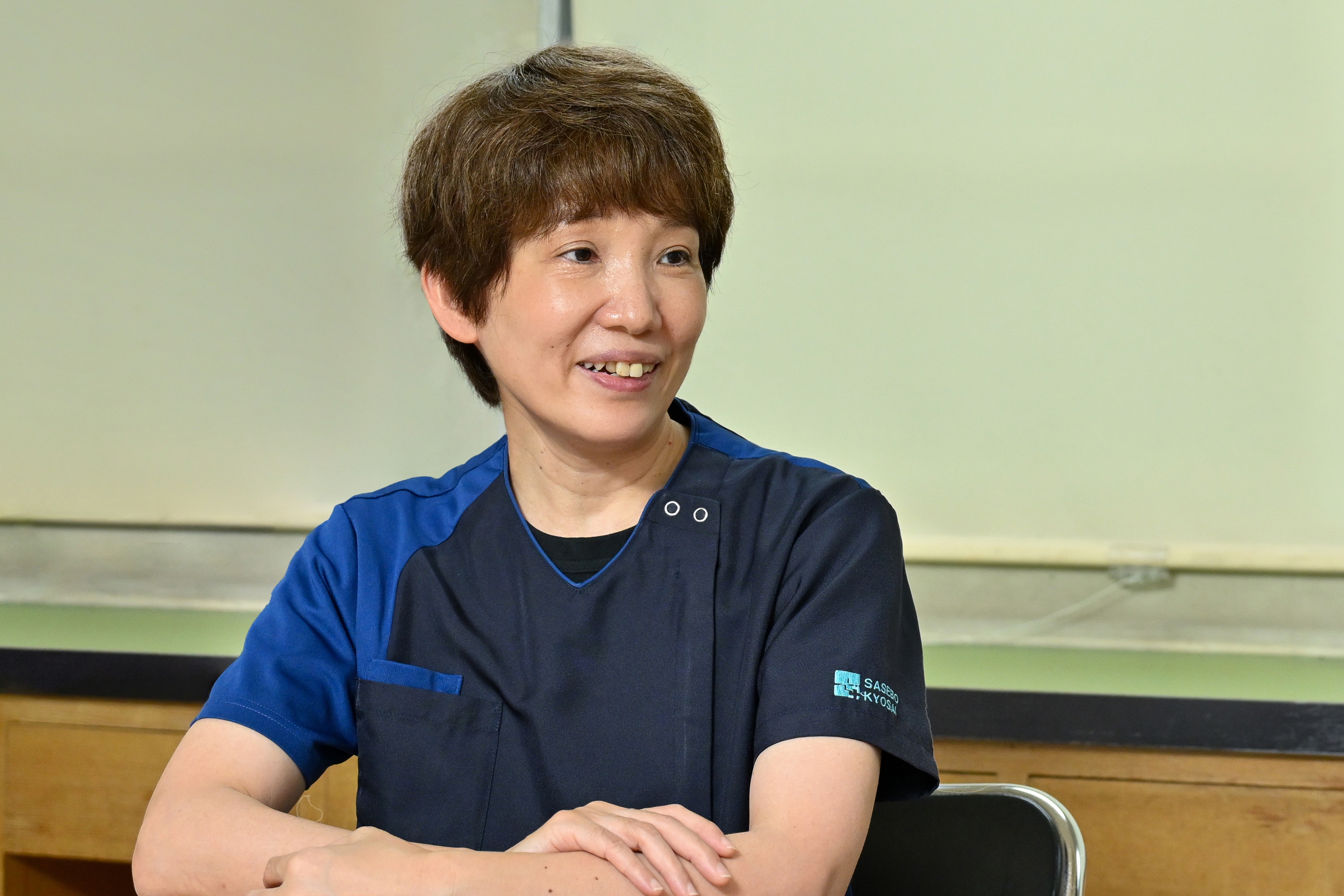
Iwanaga The equipment we were using was more than ten years old, and I felt it was about time for an upgrade. At that time, I had the opportunity to meet a Hitachi High-Tech sales representative at a conference, and given that a new product had just been released, we decided to upgrade them.
The deciding factor was the ability to make our analytical work more efficient and standardized. As mentioned earlier, the roles differ from one laboratory to another. Lately, it’s become common for a single medical laboratory scientist to cover the work of multiple labs. As a result, maintenance is increasingly handled by technologist who may not be very experienced. We really wanted to switch to a system that anyone could operate easily, and the LABOSPECT 006 α matched that requirement perfectly.
Takizawa After actually starting to use it, what benefits have you experienced?
Inada First, the ability to conduct analyses safely and accurately. The LABOSPECT 006 α is equipped with a reagent replacement scheduling function and an automatic detergent switching feature. Additionally, it automatically performs blank calibration*2 when the system is started up, enhancing safety and accuracy.
Especially with reagents, when usage was high, we sometimes had to stop the system suddenly to replace the reagents, causing problems for the lab technicians. Now that we can keep spare reagents ready, that has been eliminated, greatly reducing the mental workload for us as medical laboratory scientists. Another helpful feature is being able to check the progress of maintenance tasks at a glance with a single button. Maintenance timing is also notified by alarms, so our original goal of anyone being able to easily operate the system has been achieved.
*2Updating and adjusting the calibration curve used as a standard when measuring the concentration of substances in specimens.
From “easy for anyone to use” to “no need for human intervention”
Takizawa We developed the LABOSPECT 006 α with maximizing our customers’ operational efficiency as our top priority. We’re very pleased to hear that you’re actually seeing those benefits. As we work on future product development, we’d love to hear your thoughts if there are features you’d like to see or devices you feel are needed at your labs.
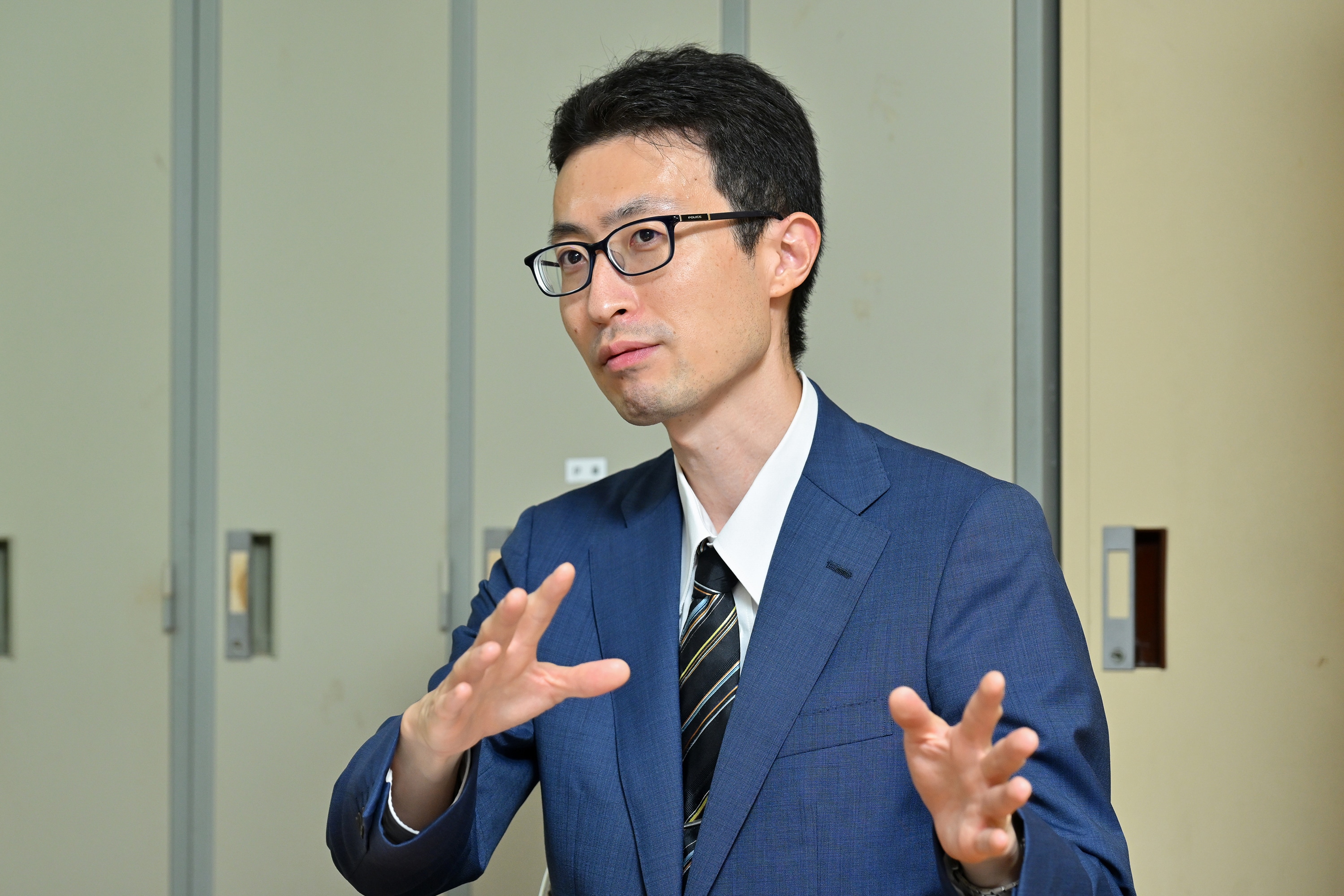
Inada As I mentioned earlier, staff shortages are increasingly becoming an issue, and the range of tasks handled by medical laboratory scientists continues to expand. Going forward, I feel that a generalist role—someone who can handle a wide range of tasks at a certain level—will be required more than a specialist focused solely on analytical operations. With that in mind, I think further automation—where the system handles some tasks at the push of a button—will be the key.
On a broader note, I ultimately think something like a smart lab would be the ideal. For example, a system that uses AI to propose optimal healthcare or the right maintenance and operation methods for each individual situation. If there were an environment where the latest technical information was automatically integrated and instantly shared with other systems or software, I think efficiency could be improved even further.
Iwanaga It's also about cost. Currently, every hospital is facing tough management circumstances—they are reducing the number of beds, yet labor costs are increasing. So not just hospital managers, but each of us as staff need to be cost-conscious in our daily work.
From a cost reduction perspective, minimizing equipment breakdowns is currently the most pressing requirement. If equipment stops, operations are delayed, inconveniencing doctors and patients, and additional costs are incurred.
And as Inada mentioned, automation is key as well. As the responsibilities of medical laboratory scientists continue to expand, if we can leave certain tasks to the system and focus on patient care, it would help reduce both our workload and costs.
Takizawa I’m always aware that medical laboratory scientists’ work is extremely demanding, and I genuinely want to support you in any way I can. As you mentioned earlier, I want to advance things to the point where all you have to do is push a button, and the rest is handled by the system. To achieve that, feedback from the users at labs is absolutely essential. Although our usual work is done at the factory, moving forward, we want to increase our direct contact with labs and listen carefully to the problems you are facing.